Mobile App Design
29 June 2026
11 min read
Designing trust into mobile products
Why clear consequences, honest timing, accessible states, and close design-development collaboration create dependable mobile experiences.

Filed from the studio
Trust in a mobile product is created by what the interface explains before, during, and after an action. A beautiful confirmation screen cannot repair an unclear fee, an ambiguous pending state, or a transfer that disappears during a weak connection. For finance, health, mobility, commerce, and other consequential services, product design must help people understand what is happening, what will happen next, and what they can do when reality does not follow the ideal flow.
Start with consequences, not screens
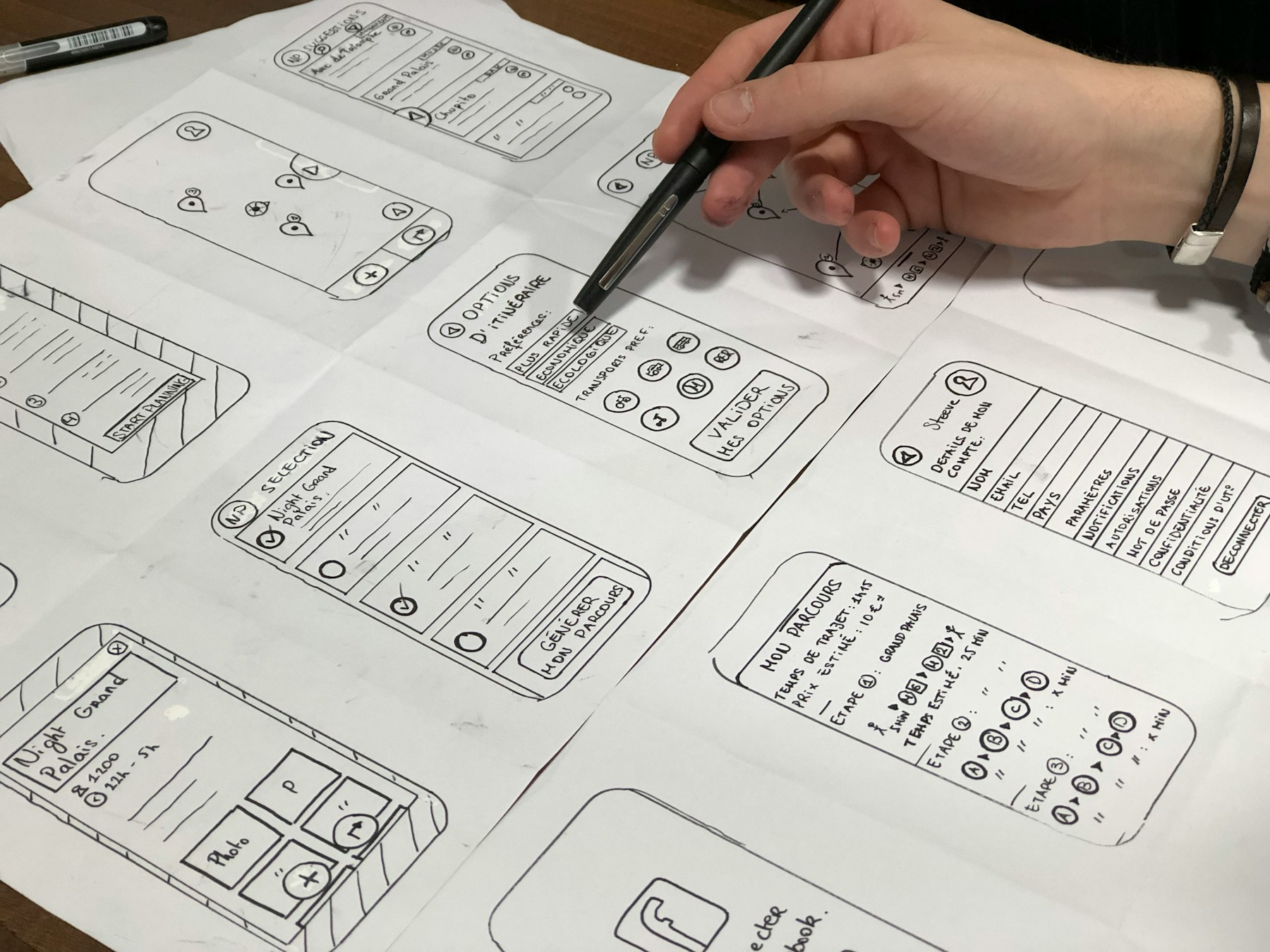
We begin mobile-app projects by mapping decisions, risks, and state changes rather than drawing a polished dashboard. What does the user commit to? Which information can still be edited? When is money, time, or data actually transferred? What happens if the network fails after confirmation? This model gives designers and developers a shared picture of the product and prevents critical behaviour from being hidden inside late-stage edge-case documents.
Make system status visible
People are comfortable waiting when the product is honest about the wait. Loading, queued, pending, processing, successful, failed, reversed, and partially completed are different conditions and should never share one vague spinner. Each state needs accurate language, useful timing, an appropriate action, and a durable place in history. Good status design reduces support requests because the interface answers the question users are already asking: did it work?
Design recovery with the happy path
Recovery should not feel like a separate product designed after launch. We prototype expired sessions, interrupted onboarding, denied permissions, unavailable services, validation errors, duplicate taps, offline actions, and failed authentication alongside the main journey. The best error message combines a clear explanation with the safest next step. It avoids blaming the user and never promises a result the system cannot guarantee.

Design and development share the product model
Close collaboration between product design and mobile development protects the experience. Designers understand technical constraints early; engineers understand the behavioural intent behind components, transitions, and copy. Shared tokens, reusable React Native components, accessibility labels, analytics events, and documented state logic make implementation faster while reducing the distance between prototype and shipped product.
A trustworthy mobile app does not need to look conservative. It can be expressive, energetic, and distinctive while remaining precise about consequences. Confidence comes from the product behaving consistently, communicating clearly, and helping people recover when the unexpected happens.
Journal / Continue reading